Dryer Balls Guide: What Dryer Balls Do, Why They Work, and When to Use Them

This dryer balls guide is your go-to resource for mastering a modern laundry essential that improves drying efficiency, fabric care, and sustainability. Many people look for ways to reduce energy costs while keeping their clothes soft. Using dryer balls in your tumble dryer is a simple change that yields massive results. They help your clothes stay in peak condition by preventing heavy clumping during the cycle. While DIY methods, such as using tennis balls for drying clothes, exist, dedicated dryer balls offer a more refined solution for your home wardrobe.
At Love2Laundry, we understand that fabric longevity is a priority for every household. Our professional laundry and dry cleaning services use advanced techniques to maintain garment quality. However, when you are handling daily loads at home, following a dryer ball guide ensures you get closer to those professional results.
These tools reduce your carbon footprint and eliminate the need for harsh chemicals. Understanding the benefits of dryer balls is the first step toward a smarter, more sustainable laundry routine.
What Are Dryer Balls and Why Are They Used in Laundry?
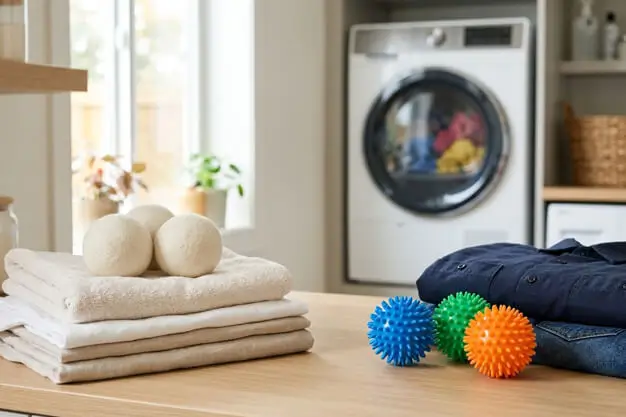
According to this dryer balls guide, these tools are small, weighted spheres designed to be tossed into your dryer along with wet clothes. They are typically made from natural wool or durable, heat-resistant plastic. Their primary purpose is to act as a physical separator. As the drum spins, these spherical balls tumble between layers of fabric. This action prevents clothes from bunching together into a large, damp ball.
When clothes stay separated, the dryer can work much more efficiently. The balls create pockets of space that allow hot air to flow freely through every garment. This process significantly reduces drying time and helps your machine use less electricity. Many people wonder about the cost of dryer balls, and the good news is they are very affordable. Since they are reusable for hundreds of loads, they quickly pay for themselves by lowering your utility bills. They are a natural alternative to liquid softeners, providing a chemical-free way to keep fabrics bouncy and light.
How Do Dryer Balls Work Inside the Dryer?
The science behind this dryer balls guide is based on simple physics and mechanical agitation. When your dryer starts, the weight of the balls causes them to bounce, tumbling between fabric layers. This movement keeps the laundry separated. Without them, heavy items like wet towels tend to stick together, trapping moisture in the centre of the load.
By constantly agitating the fabric, the balls ensure that every surface area is exposed to the heat. This is very similar to how professional-grade laundry care operates. Industrial machines often have larger drums and specialised lifters to maintain airflow. Using these tools at home mimics that high-level circulation. It prevents the “cold spots” that often leave your clothes feeling slightly damp even after a long cycle.
The Role of Air Circulation in Faster Drying
Air circulation is key to faster drying. When moisture is trapped between fabric layers, it takes a long time for heat to penetrate. This dryer balls guide highlights how spherical balls break up those layers. Better airflow allows the dryer to run less, achieving a crisp, dry finish.
Faster drying times result in significant annual energy savings. It also reduces the “wear and tear” on your dryer’s heating element. By shortening the cycle, you are effectively extending your appliance’s lifespan. It is a win-win for your wallet and your household efficiency.
How Dryer Balls Reduce Wrinkles and Static
Static electricity happens when fabrics rub against each other in a dry, hot environment. This friction creates an imbalance of electrons. This dryer balls guide explains that the balls’ constant tumbling acts as a buffer. They minimise direct contact between garments, helping prevent static buildup.
Furthermore, the gentle “massaging” action of the balls helps smooth out fibres as they dry. This results in fewer deep wrinkles. When you pull your clothes out, they feel softer and look flatter. This makes the ironing process much faster. In some cases, you might even skip ironing entirely for casual wear.
Key Benefits of Using Dryer Balls for Everyday Laundry
The benefits of using dryer balls extend far beyond just saving time. They provide a comprehensive upgrade to your laundry routine. First, they improve the texture of your fabrics. Unlike chemical coatings, the mechanical action of the balls lifts the fibres of your towels. This makes them feel fluffier and more absorbent.
Second, they offer a level of consistency that is hard to achieve otherwise. You won’t find yourself restarting the dryer for another ten minutes because the sheets are still wet in the middle. Following a dryer balls guide helps you achieve a uniform dry every single time. This reliability is why many people who value high-quality fabric care make it a permanent part of their laundry room.
Eco-Friendly and Reusable Laundry Solution
One of the biggest benefits of dryer balls is reducing waste. Traditional dryer sheets are single-use items that end up in landfills, often coated in synthetic fragrances and chemicals that can trigger skin irritation. Wool dryer balls are biodegradable and can last for years.
Switching to dryer balls eliminates the need for plastic jugs of fabric softener, reducing your household’s chemical output. It’s a simple, eco-friendly choice that aligns with a sustainable lifestyle. You save money while also protecting the environment.
Gentle on Clothes and Safe for Sensitive Fabrics
Safety is a major part of this dryer balls guide. Because they don’t contain chemicals, they are ideal for people with sensitive skin or allergies. They are the ideal choice for washing baby clothes or cloth diapers. There are no residues left behind on the fabric that could cause a rash.
Love2Laundry follows strict fabric-safe cleaning standards to protect your wardrobe. Using dryer balls at home helps you maintain those same standards. They are gentle enough for most cottons and synthetics. They keep your clothes smelling fresh and feeling soft without artificial additives.
Types of Dryer Balls – Wool vs Plastic
There are two primary types of dryer balls you will find on the market: wool and plastic. Choosing the right one depends on your specific needs and the types of clothes you wash most often. Both options aim to separate laundry and improve airflow, but they interact with fabrics differently.
This guide suggests wool is generally the preferred choice for most households, though plastic balls have distinct advantages in certain environments. Understanding the differences helps you avoid damaging your garments or machine.
Wool Dryer Balls – Natural and Fabric-Friendly
Wool dryer balls are made from tightly felted sheep’s wool. They are incredibly popular because they are quiet in the dryer. Unlike plastic, they don’t make a loud banging noise against the drum. Wool has a natural ability to absorb a small amount of moisture, which helps balance the humidity inside the machine.
They soften clothes naturally by gently rubbing the fibres. They are also excellent at reducing static. As a natural product, they are the top recommendation for professional laundry services and eco-conscious consumers. They are durable, effective, and fully compostable when they reach the end of their life cycle.
Plastic Dryer Balls – Durability and Performance
Plastic dryer balls are usually made from PVC or similar heat-resistant materials. They often have small spikes or nubs on the surface, which are designed to “scrub” the fabric and loosen the fibres. They are highly durable and retain their shape over time.
However, they can be quite noisy. The hard plastic hitting the metal drum sounds like a drum roll in your laundry room. Some users find the spikes too aggressive for very thin or delicate materials. They are best used for heavy-duty items such as jeans, rugs, and workwear, where durability is more important than a soft touch.
How Many Dryer Balls Should You Use Per Load?
Using the right amount of balls is a key part of this dryer balls guide. If you use too few, they won’t have enough impact on a large load. If you use too many, they might take up too much space and hinder the movement of clothes.
- Small Loads: 2 to 3 balls are sufficient.
- Medium Loads: 4 to 6 balls work best.
- Large/Bulky Loads: 6-8 balls are ideal for comforters or large batches of towels.
By following these numbers, you allow the spherical balls to distribute evenly. This ensures air gaps are created throughout the drum, resulting in the most efficient drying cycle.
How to Use Dryer Balls Correctly for Best Results
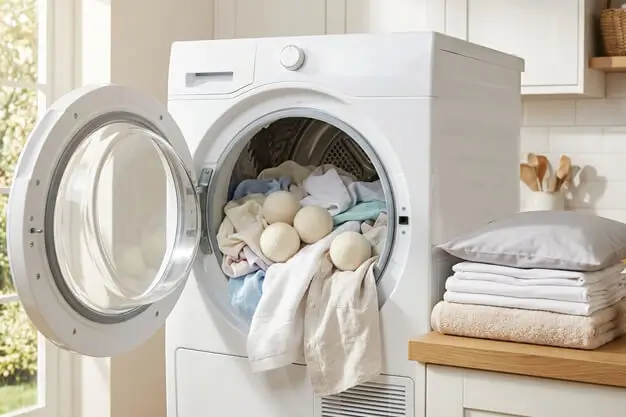
Using dryer balls is simple. You don’t need to change your dryer settings or add extra steps to your routine. Just follow these steps:
- Transfer your wet laundry from the washer to the dryer.
- Add the recommended number of dryer balls based on the load size.
- Close the door and start your cycle as usual.
- Once the cycle is complete, remove the balls from the dryer or store them in a basket.
This dryer balls guide emphasises that you should avoid overcrowding the drum. Dryer balls need space to bounce. If the dryer is stuffed to the brim, the balls will just sit in one spot. This prevents them from doing their job of separating the clothes and circulating the air.
Can You Add Fragrance or Essential Oils to Dryer Balls?
A common question in dryer balls guides is about scent. As these balls are scentless, some people miss the smell of traditional laundry products. You can safely add a few drops of essential oils to wool dryer balls. Lavender, lemon, or eucalyptus are popular choices.
Wait about 20 minutes for the oil to soak into the wool before starting the dryer. This prevents the oil from transferring onto your clothes and causing stains. It provides a subtle, natural fragrance that is much healthier than the synthetic perfumes found in most dryer sheets.
When Should You Use Dryer Balls—and When Not To?
Dryer balls are versatile, but they aren’t for every single item in your closet. They are most effective for:
- Towels: They make them much fluffier.
- Bedding: They prevent sheets from tangling into a “burrito” shape.
- Everyday Cotton: T-shirts and socks dry much faster.
However, you should be careful with very delicate items. If you have lace, silk, or garments with loose threads, the balls might snag the fabric. For high-end fashion or structured suits, professional dry cleaning is always the better option. If you are unsure, check our pricing for professional care that guarantees the safety of your best outfits.
Sometimes, you might be tempted to use tennis balls for drying clothes. While they’re effective for heavy items like puffer jackets, they are not ideal for daily use. Tennis balls are not designed for high heat and can emit a rubbery smell or even bleed neon yellow dye onto your white fabrics.
Dryer Balls vs Dryer Sheets – What’s Better for Your Clothes?
When comparing the two, this dryer balls guide shows a clear winner for long-term value. Dryer sheets coat your clothes with a thin layer of wax and chemicals. While this makes clothes feel soft, it reduces towel absorbency over time and can clog the lint filter, creating a fire hazard.
Dryer balls offer a mechanical softening process. They don’t leave a film on your clothes. This makes them the healthier, more eco-conscious choice. Furthermore, the cost of dryer balls is a one-time investment. You will save a significant amount of money by not buying boxes of sheets every month.
Are Dryer Balls Suitable for Professional Laundry and Dry Cleaning?
Professional laundry services focus on two things: fabric care and efficiency. Dryer balls align perfectly with these goals. While industrial facilities use specialised equipment, the logic remains the same. Keeping air moving and fabrics separated is the secret to a perfect finish.
Love2Laundry combines these smart, eco-friendly methods with expert knowledge. We know exactly how to treat different textiles to ensure they last for years. By using this dryer balls guide at home, you are adopting the same mindset of quality care. It is about working smarter, not harder, to keep your wardrobe looking new.
FAQs – Dryer Balls Guide
What is the downside to dryer balls?
The main downside is the noise, especially with plastic versions. They can also cause slight pilling on very delicate natural fibres if used too frequently.
How often should you wash dryer balls?
You should wash them every few months or if they start to look dirty. For wool balls, place them in a small laundry bag or sock, and run them through a gentle wash cycle.
How do you know when your dryer balls are done?
Wool balls are “done” when they start to look very scraggly or begin to unravel. Plastic balls are considered finished when they crack or the nubs wear down completely.
Final Thoughts – Are Dryer Balls Worth Using for Better Laundry Results?
This dryer ball guide covers everything from the science of airflow to the choice between wool and plastic. Adopting the benefits of using dryer balls is one of the easiest ways to improve your home life. You get softer clothes, lower energy bills, and a smaller environmental impact. It is a simple tool that solves multiple problems at once.
If you have more questions about complex laundry tasks, you might want to learn how to wash pillows without ruining their shape or find out if are dryer sheets toxic for your laundry?. For those larger household items, you may need to wash a blanket? and realise it’s too big for your home machine. In those cases, don’t hesitate to contact us. We are here to help with all your garment and linen needs.