How Do You Get Rid of Mould on Clothes in Humid Climates? Smart Ways to Eliminate It

Living in a tropical or damp region feels like a constant battle against nature. One day, your favourite shirt is fine, and the next, it smells like a damp cellar. If you are wondering how do you get rid of mould on clothes, you are not alone. High humidity levels create a perfect playground for fungal spores to thrive. These microscopic invaders love organic fibres like cotton and linen. Once settled, they thrive on moisture and microscopic skin cells. This leads to stubborn stains and a pervasive musty odour that regular washing often fails to fix.
Dealing with mouldy clothes is frustrating because the damage can become permanent if ignored. The spores don’t just sit on the surface; they dig deep into the weave. This weakens the fabric over time. To prevent and tackle mould in clothes, you must understand that standard laundry habits aren’t enough in humid zones. You need a strategy that involves killing the fungi, removing the stains, and changing how you store your items. This guide explores the most effective ways to how do you get rid of mould on clothes while protecting your wardrobe investment. Let’s dive into the science of humidity and the best ways to keep your outfits fresh and safe.
Why Clothes Develop Mould Faster in Humid Climates
Humid climates create the perfect environment for fungi to thrive. When the relative humidity stays above 60%, air holds significant water vapour. Moisture settles on fabrics, especially in dark, enclosed spaces. Unlike dry climates, where sweat evaporates quickly, damp air keeps clothes moist for hours. This creates a buffet for spores that are always floating in the air. This is why understanding how to get rid of mould on clothes is essential.
How Humidity and Poor Ventilation Trigger Mould Growth
Mould needs three things to grow: moisture, food, and a lack of airflow. Wardrobes are often placed against cold walls, which causes condensation inside the cabinet. If your closet lacks ventilation, the air becomes stagnant. This trapped moisture feeds the spores. Even a slightly damp towel thrown into a hamper can infect every other item in the basket within 24 hours. Without airflow to dry out the fibres, fungi multiply rapidly.
Common Warning Signs of Mould on Clothes
The most obvious sign is the tell-tale black spots that appear in clusters. However, mould isn’t always black. It can appear as white, fuzzy patches, green dust, or yellow stains. Another major indicator is the smell. If your clothes have a sour, earthy, or “old” scent even after washing, spores are likely present.
Sometimes you might feel a slight slimy texture on the fabric surface. This texture change means the colony is actively growing and feeding on the textile. By recognising these common warnings, you can learn how to get rid of mould on clothes.
Is Mould on Clothes Dangerous for Health and Fabric?
Mould is more than a cosmetic issue. It poses real health risks, especially for people with asthma or allergies. Breathing in spores while wearing affected garments can cause sneezing, skin rashes, and respiratory distress. Beyond health, the fungi produce enzymes that break down natural fibres. If left untreated, the mould will gradually damage your silk, cotton, and wool. This makes learning how do you get rid of mould on clothes vital for both your well-being and your wallet.
Smart Home Methods to Remove Mould from Clothes Safely
You don’t always need harsh chemicals to fix the problem. The first trick to remove mould on clothes is isolation. Move the infected items away from clean laundry immediately. Then, use a stiff brush to remove loose spores outdoors. This prevents the fungi from floating onto your carpets or furniture.
Washing Mouldy Clothes the Right Way
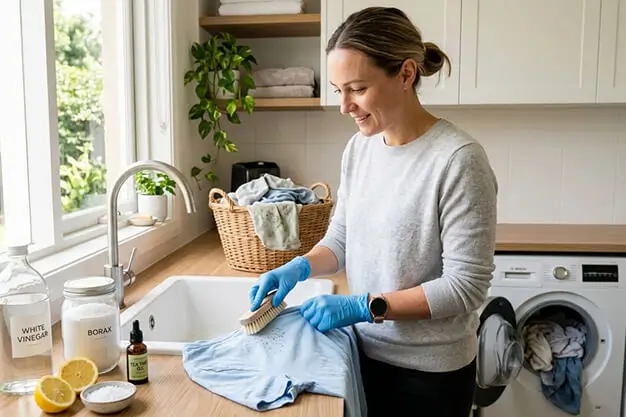
When you put mouldy clothes in the machine, use the highest temperature safe for the fabric. Heat is a primary factor in killing spores. Use a heavy-duty detergent and consider adding a cup of white vinegar to the drum. The vinegar’s acidity helps break down the mould structure. For white items, colour-safe bleach can be effective, but always test a small patch first. For more safety tips, how to use bleach or baking soda for whiter clothes for more safety tips.
Natural Remedies That Actually Work
Borax, a natural mineral, works wonders. Mix half a cup with hot water until dissolved, then add it to the wash. Another great option is tea tree oil. It is a powerful natural fungicide. Adding just ten drops to your rinse cycle can help prevent and tackle mould in clothes by leaving an invisible protective layer. For stubborn spots, a paste of lemon juice and salt applied directly to the stain can lift the discolouration.
When Not to Use DIY Methods
Don’t try home remedies on “Dry Clean Only” items. Silk, acetate, and structured blazers can shrink or lose their shape with water-based DIY fixes. If the mould covers more than 20% of the garment, home washing might spread the spores rather than kill them. In these cases, you need water mould removal expertise or professional help.
How to Prevent Mould on Clothes in Humid Environments
Prevention is the only way to stop the cycle. Start by never putting “worn once” clothes back in the closet. Sweat and skin oils are food for mould. Even if the shirt looks clean, the microscopic moisture is a risk. Use silica gel packets or hanging dehumidifiers in every wardrobe to remove excess moisture from the air.
Proper Drying Techniques That Stop Mould Before It Starts
In humid areas, air-drying indoors is a recipe for disaster. The clothes stay damp for too long, allowing mould to settle. If you must dry indoors, use a fan to keep air moving. The best method is to dry clothes in the sun. UV rays are a natural disinfectant. Sunlight kills spores and naturally bleaches stains. Just be careful with dark colours as the sun can fade them. If you are struggling with gym gear, read how to remove odours from gym clothes for specific drying tips.
Smart Storage Tips for Mould-Free Wardrobes
Don’t overstuff your closet. Air must circulate between hangers. Switch from plastic hangers to wooden or padded ones that allow the fabric to breathe. Avoid using plastic garment bags; these trap moisture inside. Use cotton covers instead. Leave your wardrobe doors open for an hour every day to let fresh air in. This simple trick for removing mould from clothes focuses on keeping the environment too dry for fungi to survive.
Keeping Your Washing Machine Mould-Free
Your machine can be the source of the problem. Front-loaders often trap water in the rubber seal. This leads to a buildup of slime and spores. Once a month, run an empty hot cycle with vinegar or a dedicated cleaner. Leave the door open after every wash to let the drum dry out completely. If your curtains smell musty, follow these dirty-curtain cleaning tips.

When Professional Laundry and Dry Cleaning Is the Best Solution
Sometimes the infestation is too deep for a home machine. This is when you must ask a pro: how do you get rid of mould on clothes without ruining them? Professionals have access to high-grade ozone chambers and non-aqueous solvents that kill 99% of fungi.
How Professional Cleaning Removes Mould Without Fabric Damage
Dry cleaners use specialised chemicals that target the mould cell wall. This process doesn’t involve the high agitation of a home washer, which protects delicate fibres. They also have industrial-strength steaming equipment. This reaches temperatures that guarantee the death of any remaining spores. For many, checking the pricing of a professional service is worth it to save an expensive wardrobe.
Why Love2Laundry Is a Reliable Choice for Mould Removal
Love2Laundry understands the challenges of humid climates. We use advanced cleaning techniques to prevent and tackle mould in clothes while maintaining fabric integrity. Our process includes deep sanitisation and expert drying, which home setups can’t match. If you are tired of fighting the damp, contact us today to see how we can restore your favourite outfits.
FAQs – Get Rid of Mould on Clothes
How to prevent mildew on clothes in a humid environment?
Use hanging dehumidifiers in closets and leave space between hangers to improve airflow. Never store garments that are even slightly damp from sweat or rain.
How do professionals remove mould?
Experts use ozone treatment and specialised antifungal solvents during the dry cleaning process. These methods kill spores at the root without using water that could damage fibres.
Should you throw out mouldy clothes?
Keep items if the mould is caught early and the fabric remains strong. If the fungi have eaten through the fibres or caused holes, disposal is the safest choice.
Keep Your Clothes Fresh and Mould-Free All Year
Living in a moisture-rich environment requires vigilance. Knowing how do you get rid of mould on clothes is a vital skill for anyone in a humid climate. You must act fast the moment you see a spot or smell a musty scent. Start with natural methods such as vinegar or sunlight. If the problem persists, move to professional solutions. Remember that the best trick to remove mould on clothes is never letting it start.
Keep your closets dry, your machine clean, and your air moving. By following these steps, you can keep your wardrobe looking new for years. Don’t let the weather dictate the lifespan of your clothes. With the right care and the knowledge of how to get rid of mould on clothes, you can stay fresh no matter the humidity level. Ready to refresh your laundry? Let the experts handle the tough stains for you.