How to Remove Dry-Erase Markers from Clothes: Powerful Hacks That Eliminate Stains Once & For All

Learning how to remove dry-erase markers from clothes is a vital skill for anyone navigating the daily hustle of modern offices or busy classrooms. These stubborn stains are common, often resulting from accidental swipes on a sleeve while teachers or professionals brainstorm on whiteboards.
Because the ink contains specific resins designed to bond with surfaces, it can be disastrous for your wardrobe. The good news is that with the right steps or expert help from Love2Laundry, these stains are completely fixable.
Whether you need to remove whiteboard marker from clothes after a fresh spill or a dried mark, these powerful hacks will help you eliminate the ink without ruining your favourite garments.
Act Immediately to Prevent the Ink from Setting
If you want to remove dry-erase markers from clothes, act quickly. The ink in these markers dries almost instantly on a whiteboard and behaves similarly on fabric. Once the alcohol-based solvent evaporates, the pigment and resin get trapped in the fabric. If left for hours, the bond between the fibres and chemicals becomes much stronger.
Heat is the ultimate enemy of stain removal. If you put a stained item into a dryer before the stain is gone, the high temperature permanently “bakes” the ink into the fabric. At that point, even the strongest chemicals may fail. Instead, keep the item away from heat and start the blotting process while the ink is as fresh as possible.
Identify the Fabric Type Before You Start
Before applying any cleaning solution, identify the fabric type. Different fabrics react differently to solvents, so always check the care label for instructions on water temperature and chemical sensitivity.
If the label says “Dry Clean Only,” do not attempt a DIY fix. For washable items, the golden rule is to conduct a spot test. Apply a tiny amount of your chosen cleaner, like vinegar or alcohol, to a hidden seam or an inside hem. Wait a few minutes to see whether the colour fades or the fabric texture changes.
This extra step ensures that in your quest to remove dry-erase markers from clothes, you don’t end up with a bleached spot or a hole where the stain used to be.
Blot the Excess Ink Without Spreading the Stain
You may be wondering how to remove ink stains from clothes. When you first notice the mark, your instinct might be to scrub it vigorously. Stop right there. Scrubbing is a mistake that pushes the ink deeper into the fibres and spreads the pigment outward, creating a much larger mess.
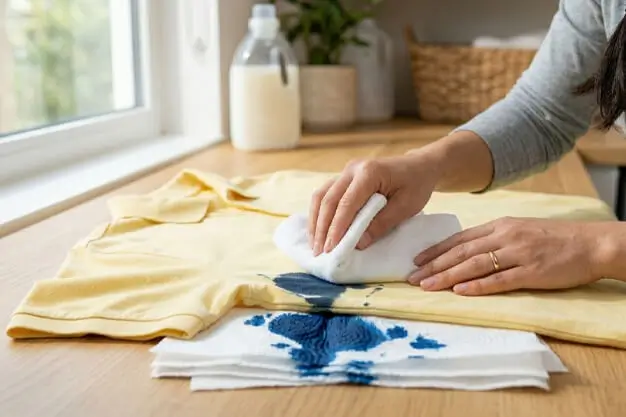
The correct approach is to lift the ink upward. Start by placing a clean white towel or several layers of paper towels directly under the stained area. This creates an absorbent “sink” that will catch the ink as you work.
Using a clean white cloth, gently blot the stain. The goal is to transfer ink from the garment to the cloth or towel beneath. Always use a white cloth to prevent dye from the cleaning rag from transferring to your clothing.
By pressing down firmly and lifting straight up, you can remove a significant amount of the surface pigment before ever applying a liquid solvent. This makes the chemical cleaning step much faster and more effective.
Use Rubbing Alcohol for Fast and Effective Ink Removal
If you need to remove dry-erase markers from clothes, rubbing alcohol is often the most reliable tool to have. Since dry-erase ink is alcohol-soluble, applying isopropyl alcohol re-liquefies the dried pigment, breaking down the stubborn silicone resins that cause stains on your fabric.
To apply this method, soak a cotton ball in the alcohol. Avoid pouring the liquid directly onto the fabric, as this can cause the stain to spread into unstained areas. Instead, start dabbing the outer edges of the mark and work your way toward the centre.
This method contains the ink and prevents it from spreading further. As the cotton ball picks up the ink, immediately switch to a fresh one. Continue until no more colour transfers to the cotton. Once finished, follow up with a cold water wash to flush out any remaining residue.
When Rubbing Alcohol Works Best
Rubbing alcohol is ideal for sturdy fabrics like cotton, polyester, and common synthetic blends. These materials generally withstand alcohol’s drying effects without losing structural integrity. It is particularly effective on white or light-colored fabrics where the ink is highly visible.
Exercise caution with delicate or darkly dyed fabrics. Some dyes are not ‘colourfast,’ meaning they may bleed when exposed to high-percentage isopropyl alcohol. This is why the earlier-mentioned hidden-spot test is essential. If the fabric is very thin silk or heavy wool, the alcohol may be too harsh; it’s better to consult a professional.
Try Hand Sanitiser as a Convenient Alternative
If you are at the office or a school and don’t have access to isopropyl alcohol, use hand sanitiser. Most hand sanitisers have a high alcohol content, usually between 60% and 70%, which makes them a great “on-the-go” solvent.
Apply a small dab of the gel directly onto the stain. Use a clean cloth to blot the gel into the fibres. You will notice the ink beginning to dissolve into the gel. Continue blotting with fresh sections of your cloth until the ink has been lifted. This is a brilliant way to get whiteboard marker out of clothes when you need a quick fix before the ink has a chance to set during your commute home.
Remove Stains Naturally with White Vinegar and Baking Soda
For those who prefer to avoid harsh chemicals, a combination of white vinegar and baking soda is a classic household remedy. This duo works through a chemical reaction: the vinegar’s acidity helps dissolve the ink residue. At the same time, the abrasive nature of the baking soda gently lifts the particles from the fabric.
- Mix the Paste: Create a thick paste by combining three parts baking soda with one part water.
- Apply: Spread the paste over the stain and let it sit for about 15 minutes.
- Add Vinegar: Spray or dab a small amount of white vinegar onto the paste. It will fizz—this is the reaction working to break the ink’s bond.
- Rest and Rinse: Let it sit for another 15 minutes, then rinse the area thoroughly with cool water.
This method is gentle enough for many fabrics and is a great first step if you are trying to get dry wipe marker out of clothes without using spirits or specialised solvents.
Use Oxygen-Based Stain Removers for Stubborn Marks
When home remedies like vinegar or alcohol don’t fully remove the stain, it may be time for a commercial product. Oxygen-based stain removers (often sold as powders or sprays) are designed to break apart stain molecules through oxidation. These are particularly useful if a faint stain remains after your initial cleaning attempts.
Follow the package instructions carefully. Typically, dissolve the powder in water and soak the garment for several hours or overnight. This immersion allows oxygen to penetrate deeply into the fibres and lift microscopic pigment particles. Always check the garment’s label to ensure it is ‘oxygen-bleach safe,’ as these products can damage some silk or wool items.
Laundry-Safe vs. All-Purpose Stain Removers
It is important to distinguish between laundry-specific products and general-purpose household cleaners. All-purpose cleaners may contain chemicals that are too harsh for clothing fibres, leading to premature wear or fabric thinning. For the best results and to maintain the longevity of your wardrobe, always use products labelled for use on textiles.
Rinse with Cold Water Only
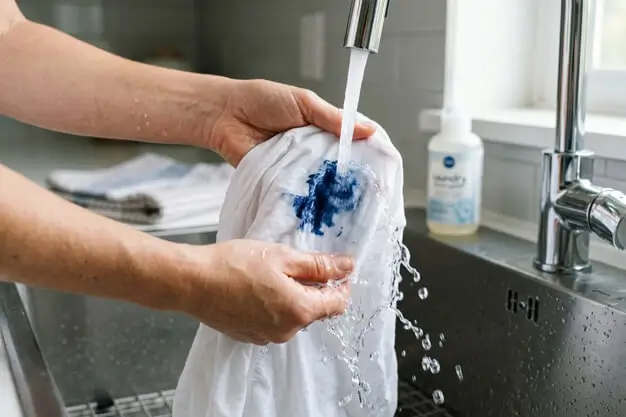
After treating the stain with a solvent or paste, you must rinse the area. It is vital to use only cold water during this stage. Cold water helps flush out ink particles from the fabric without allowing them to bond further.
Hot water, on the other hand, can act as a catalyst that “sets” any remaining pigment. Think of it like cooking an egg; the heat changes the structure of the proteins (or in this case, the polymers in the ink), making them solid and permanent.
By choosing the right water temperature, you keep the ink in a state that allows it to be washed away. Run the water from the back of the stain through to the front to push the ink out of the fibres rather than deeper into them.
Wash the Garment Properly Without Locking the Stain
Once the visible mark is gone, it is time for a full machine wash. Use a high-quality mild detergent and set your machine to a cold or cool cycle. This is a critical step to completely remove dry-erase markers from clothes, as the washing machine’s mechanical action will remove any lingering solvents, such as rubbing alcohol or vinegar.
Before moving the item to the dryer, inspect it carefully. Look at the area in bright, natural light. If you see even a faint hint of the original mark, do not dry it. The heat of the dryer will set the stain permanently. If the stain persists, repeat the treatment process or try a different method while the fabric is still damp. Consistency is key when you want to get whiteboard marker out of clothes for good.
Air Dry and Inspect Before Final Drying
The safest way to finish the cleaning process is by air-drying clothes. Hanging the garment on a rack or laying it flat avoids the risks associated with machine drying. Air-drying also allows you to inspect the final result before risking heat-setting a missed spot.
Once the garment is completely dry, give it a final inspection. If the fabric looks clean and there is no ink ghosting, you can resume normal laundering and drying. This patient approach is the best way to get dry wipe marker out of clothes without the heartbreak of discovering a permanent stain after it’s too late. Taking the time for air-drying vs. machine drying during this one cycle can save an expensive piece of clothing.
What to Do If the Dry-Erase Stain Has Already Dried
If you find a stain that has already been through the wash and dry cycle, the challenge is greater, but not impossible. You can try ‘reactivating’ the stain. One common hack is to draw over the old stain with a fresh dry-erase marker. The solvents in the new ink can soften the previously set ink.
Alternatively, a long soak in a heavy-duty oxygen-based stain remover or repeated applications of rubbing alcohol may gradually break down the bond. It may take three or four attempts to see a significant difference. If the garment is valuable, professional intervention is the most logical choice.
Fabrics and Textiles That Need Extra Care (Silk, Wool & Delicates)
Not all clothing can survive home stain removal, particularly delicate fabrics like silk, wool, and rayon. These fibres are sensitive to pH changes and can be easily distorted by the rubbing and blotting required to remove dry-erase markers from clothes.
For example, silk can develop permanent “water spots” or lose its sheen if treated with harsh alcohols. Wool fibres can felt or shrink if agitated too much while wet. If you have a high-end suit or designer dress, it’s too risky to experiment. In these cases, it’s safer to skip DIY methods and go straight to a professional cleaner with specialised equipment for delicate textiles.
Common Mistakes to Avoid When Removing Dry-Erase Marker Stains
Many people accidentally damage their clothes by making simple errors during cleaning. To protect your wardrobe, avoid these common pitfalls:
- Scrubbing: Never scrub. It tears fabric fibres and spreads ink.
- Using Hot Water: As mentioned, heat is a “fixative” for ink. Stay cold until the stain is 100% gone.
- Mixing Chemicals: Never mix cleaning agents (such as bleach and ammonia), as this can create toxic fumes.
- Delaying Action: The longer the ink sits, the more it behaves like you are trying to remove permanent marker from dry-erase.
- Tumbling Dry Too Soon: The most common cause of permanent stains.
When Professional Laundry & Dry Cleaning Is the Safest Option
Sometimes, DIY methods aren’t enough. If the stain is large, heat-set, or on a luxury garment, professional help is your best option. Expert cleaners have access to specialised fabric-safe solvents that aren’t available to the general public.
Love2Laundry offers specialised services that take the guesswork out of stain removal. Their experts understand the chemistry behind different inks and how they interact with specific textiles. Through advanced techniques, they can often remove dry-erase markers from clothes even when home methods have failed.
If you are worried about the pricing of professional cleaning, consider it an investment in saving an expensive item from the trash. You can contact us to learn how we can help restore your wardrobe to its former glory.
FAQs – Remove Dry-Erase Markers from Clothes
Will nail polish remover remove dry-erase marker from clothes?
Nail polish remover can work, as acetone is a powerful solvent for many inks. However, it is very harsh and can dissolve synthetic fibres or damage the dye in your clothing.
Does vinegar remove marker from clothes?
Vinegar is a helpful natural acid that can break down the oily components of some inks. While it works well on light stains, it is usually most effective when combined with baking soda for a deeper clean.
Can you remove permanent marker from fabric?
Yes, it is often possible to remove permanent marker from dry-erase or fabric using high-concentration alcohol or specialised commercial removers. Success depends heavily on how quickly you act and whether the fabric has been exposed to heat.
Ink Happens – But Stains Don’t Have to Stay
In summary, the best way to remove dry-erase markers from clothes is to act quickly and use the appropriate solvents. Whether you choose the power of rubbing alcohol, the convenience of hand sanitiser, or a natural vinegar solution, the goal is always to lift the ink rather than rub it in. Always use cold water and prioritise your fabric’s safety by checking the care labels.
If a stain seems too daunting or the fabric is too delicate, do not risk permanent damage. Professional services like Love2Laundry provide a reliable safety net for your most cherished items. By following these expert tips, you can effectively remove dry-erase markers from clothes and remove permanent marker from dry-erase without losing your favourite outfits to accidental ink spills.