When to Wash Laundry to Cut Energy Costs

Saving money at home often starts with small daily habits. One of the most overlooked areas is how and when you wash laundry. Many households run their machines without thinking about timing, energy demand, or electricity pricing. This blog explains how choosing the right time can lower monthly costs and power consumption.
Energy costs fluctuate throughout the day, and washing at the wrong time might increase your bill. Knowing how peak and off-peak schedules work will help you make smarter decisions without significantly changing your routine. This guide focuses on practical advice applicable to real-world circumstances.
You will learn how time influences energy use, how new machinery helps, and which actions result in long-term savings. Enjoying clean clothes while saving money is the obvious goal. Professional assistance can also be beneficial for individuals with hectic schedules.
Love2Laundry is a trusted name in laundry & dry cleaning in Amsterdam, known for quality care and reliable turnaround times. While this guide helps you wash laundry at home more efficiently, professional services remain a smart option when time or energy costs matter most.
Best Time to Wash Laundry to Save Energy
Energy usage is greatly impacted by when you operate your washing machine because the demand for electricity varies throughout the day. Based on this demand, utility firms modify their prices. Rates frequently rise when numerous families consume electricity at the same time. Washing during slower times lowers expenses and lessens the load on the grid. Understanding the best time to do laundry can make a noticeable difference over the course of a month.
Peak hours usually occur in the morning and early evening. Off-peak periods fall late at night or early in the morning. Planning your routine around these windows supports lower energy use. This approach works best when combined with simple laundry energy-saving tips that improve overall efficiency.
Early Morning or Late Night
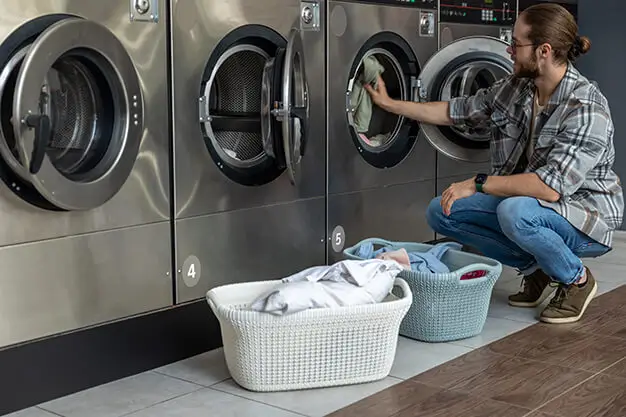
The most energy-efficient times to run a washing machine are frequently early in the morning and late at night. The electricity demand is reduced during these times. Lighting, heating, and appliances are used less often. Lower energy rates are frequently the result of this decreased demand. You can reduce expenses without changing how you wash laundry by running the machine at 6 a.m. or after 10 p.m.
Improved machine performance is an additional advantage. When demand declines, voltage levels remain more constant. As a result, appliances may function better and last longer. Because of noise concerns, many homes avoid these periods. Because modern machines are quieter, using them late at night is more feasible. The machine should be kept away from bedrooms if noise is still an issue.
Weekends and Holidays
Weekends and public holidays can also be the best time to do laundry. Industrial and commercial energy use drops during these days. This shift lowers overall grid demand. Some utility providers apply off-peak pricing for most of the day on weekends. Washing during these times supports energy savings and convenience.
Families often have more free time on weekends. This makes it easier to plan full loads and avoid rushed cycles. Combining weekend washing with off-peak laundry hours helps lower both energy use and wear on your machine. If you prefer to keep weekends free, you can still use automation features to wash laundry at the right time.
Time Delay Feature
A time delay feature is found in a lot of contemporary washing machines. You can load clothing and set a later start time for the wash cycle with this feature. It can be scheduled to start in the early morning or late at night. This feature helps you save energy without making you stay up late or get up early.
For those with hectic schedules, the delay option is perfect. The machine can run during off-peak laundry hours if you prepare your clothing ahead of time. This method encourages regular routines and lowers energy expenses. It also pairs well with other laundry energy-saving tips, such as cold-water washing and full loads.
Peak vs Off-Peak Hours
Peak hours are times when electricity demand is high. This usually happens in the morning, when people prepare for work, and in the evening, when they return home. Off-peak hours occur when demand drops. Utility companies often charge less during these periods.
Knowing this difference helps you plan when to wash laundry. Off-peak use lowers your energy bill and supports a balanced power grid. Peak and off-peak hours vary by region and energy provider. Checking your utility provider’s schedule gives clear guidance. Some providers publish peak pricing charts. Others include this information in monthly statements. Understanding these patterns is key to reducing laundry and electricity costs over time.
How to Maximize Energy Savings When Washing Laundry
Timing is only one part of the equation. How you run each cycle also matters. Minor adjustments improve efficiency and reduce waste. Once you know the right time to wash, focus on habits that support lower energy use. These steps help you get the most out of every wash.
Use Cold Water
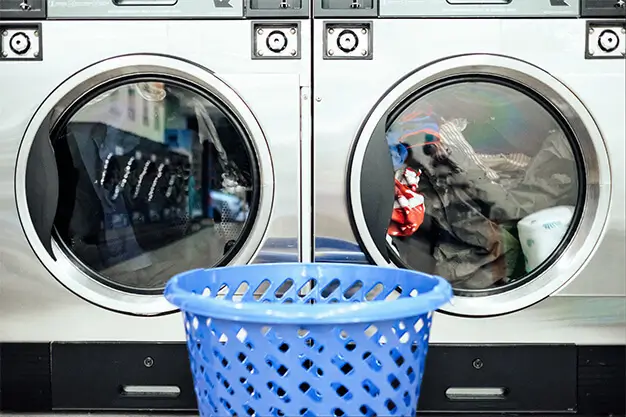
Heating water uses a large amount of energy. Washing clothes in cold water reduces this demand. Modern detergents work well at lower temperatures. Cold water cleaning protects fabrics and colors while saving energy. This is one of the simplest laundry energy-saving tips available.
Cold washes work for most everyday clothing. Towels and bedding may still need warm water occasionally. Using cold water regularly helps reduce power consumption every time you do laundry.
Use the Right Load Size
Running small loads wastes water and electricity. Washing full loads makes better use of each cycle. Plan your laundry days so you can group similar fabrics. This reduces the total number of washes needed each week.
Avoid waiting too long and overfilling the drum—balance matters. Learning how to load laundry properly supports efficiency and fabric care. Complete but balanced loads clean better and save energy.
Choose Energy-Efficient Detergents
Energy-efficient detergents are designed for low-temperature washing. They dissolve quickly and clean effectively in cold water. Using the right detergent improves results without increasing energy use.
Check labels for cold wash compatibility. These products support better performance and help maintain your machine. Pairing them with off-peak washing times enhances savings when you wash laundry at home.
Maintain Your Appliances
Regular maintenance keeps washing machines running efficiently. Clean filters, check hoses, and remove buildup. A well-maintained machine uses less energy and water.
Descale the drum if you live in a hard water area. This improves heating efficiency and extends appliance life. Maintenance supports long-term savings and reliable performance.
Understanding Your Utility Bill and Peak Hours
Utility bills can seem confusing at first glance. Many providers use time-based pricing. Rates change depending on demand. Learning how these tariffs work helps you choose the best time to do laundry for your household.
Look for sections labeled peak, off-peak, or variable rates. Some bills show usage charts by hour. Others include links to online dashboards. This information shows when energy costs less. Washing during off-peak laundry hours reduces your bill without cutting back on clean clothes.
If your provider offers smart meters, use them. These devices track real-time usage and pricing. They help you adjust habits and build smart laundry habits that fit your budget. Awareness leads to better decisions and long-term savings.
Expert Laundry Tips to Save Energy and Reduce Costs
Beyond timing and machine settings, small habits make a big difference. These expert tips help you get more value from every wash cycle.
Run Full Loads Only
Running partial loads increases energy use over time. Waiting until you have enough clothes for a full load reduces waste. This habit supports efficiency and saves money.
Planning laundry days helps. Use baskets to sort clothes by color or fabric. When one basket fills, it is time to wash.
Regularly Clean Lint Filter
Lint buildup restricts airflow and affects performance. Cleaning the lint filter improves efficiency and drying time. This applies to both washers and dryers.
Check the filter after each cycle. A clean filter helps the machine run more efficiently and last longer.
Avoid Overloading
Overloading strains the motor and reduces cleaning performance. Clothes need space to move. An overloaded drum uses more energy and delivers poor results.
Follow the manufacturer’s guidelines. Balanced loads clean better and protect fabrics. Proper loading helps every time you do laundry.
FAQs – Wash Laundry to Cut Energy Costs
Does washing at 30 degrees save electricity?
Yes. Washing at 30 degrees uses much less energy than hot cycles. Most of the energy in a wash goes toward heating water. Lower temperatures reduce this demand. Modern detergents are designed to work well at 30 degrees. This makes it a practical option for everyday clothing and supports energy savings.
What time should I wash my clothes to save electricity?
Late night or early morning is usually best. These periods fall outside peak demand hours. Energy rates are often lower during these hours. Using timers or delay features helps you take advantage of these windows without changing your schedule.
Is a cold wash better for energy saving?
Cold washes are one of the most effective ways to save energy. They eliminate water heating costs. Cold cycles also protect fabrics and colors. For lightly soiled clothes, cold washing is both efficient and effective.
Conclusion
You do not need major lifestyle changes to lower energy costs. Simple decisions have a considerable impact. Learning when to wash laundry helps reduce electricity bills and supports a healthier power grid. You can save more by running full loads, utilizing cold water, and cleaning at off-peak hours.
You may make better plans and avoid costly times by monitoring your power bill. Energy-efficient washing is now simpler than ever thanks to innovative technologies and modern appliances. These strategies work best when combined with consistent habits.
Professional services remain a dependable choice for those seeking comfort. Love2Laundry offers transparent pricing, easy online booking options, and insights into the future of laundry through sustainable practices. Making better decisions now will lead to lower expenses later, whether at home or with professional assistance.