What is The Best Wash Cycle For Everyday Clothes?

Every day clothes take quite a beating through morning to night commutes, afternoon errands, keeping comfy after work, and working out, even! Did you know that, for your clothes, washing them in the wrong cycle may do more harm than good? From shrinkage, fading, to thinning of fabric, the laundry settings you use certainly have a direct influence over the quality and life of your clothes. For that, you can look for an expert’s guide to know what is the best wash cycle.
Knowing a few cycles best prevents unnecessary wear and tear, thus saving time, water, and money. It will also prevent damage to the machine, so problems like washing machine not spinning will not occur frequently. Without further ado, let the laundry and dry cleaning in Amsterdam guide you to the correct washing settings.
Why Choosing The Right Wash Cycle Matters
The reason is that each fabric differs in nature; an approach that suits a cotton tee might ruin a delicate synthetic. The proper wash cycle implies that you are coordinating the temperature of the water with the level of agitation and the speed of spin.
By using these settings even in your heavy-duty washing machine properly, you’ll get these benefits.
- Reduce shrinkage, stretching, and colour fading
- Save on electricity and water
- Get the maximum life out of your clothes
- In brief, get the cycle right to save your wardrobe and the earth.
Also Read – If your clothes are delicate and you are looking for a gentle cleaning procedure, read our blog on a delicate washing cycle.

Everyday Clothing Fabric Types and Their Needs
Everyday clothes can be made from various types of fabrics, be it casual cotton tees or moisture-wicking gym wear. Each of these fabric types reacts differently to washing cycles, so knowledge of such reactions goes a long way in preventing damage and in keeping your clothes looking fresh.
So, here are the details on some everyday fabrics that’ll guide you on what is the best wash cycle for them. It’ll even answer your question, ‘Can I Use a Washing Machine if the Boiler Is Broken?’
Cotton: T-Shirts, Undergarments, and Everyday Basics
Cotton is one of the most common and durable everyday fabrics and requires guidance on what the best wash cycle is. It holds well in warm and even hot water, which is suitable for washing away sweat and oils.
Use the Regular (Natural) cycle for cotton items like t-shirts, socks, and undergarments. Always look for pre-shrunk labels, especially on new garments, when using a heavy-duty washer and dryer.
Synthetics: Polyester, Nylon, Activewear
Synthetic fabrics resist moisture and always spring back. On synthetics, always use the synthetic or gentle cycle to avoid over-agitation. Always wash in cold water to avoid losing the stretch and shape of items like gym wear, leggings, or microfiber.
Blends and Mixed-Fabric Garments
Many types of fibre are incorporated into one with blended fabrics (e.g., poly-cotton). Employ the cycle that is best suited for the delicate one between them, with mild agitation and a cool down to reduce wrinkles. Use a mild detergent so it doesn’t stress the fabric and lose its feel. This way, you’ll know what the best wash cycle is for mixed fabrics.
Best Washing Machine Cycles for Everyday Loads
Want a helper for choosing the washer settings? Here are some cycles that fit an everyday laundry list.
Normal Cycle (Regular)
It is your go-to for all durable fabrics like cotton and linens. Washing with warm water gives neither too much agitation nor too much spin speed, ideal to thoroughly clean dirt, sweat, and everyday grime without causing extra harm to the fibres. The normal cycle of a heavy-duty washing machine will also wash your clothes without damaging them.
Quick or Speed Wash
Suitable for a mid-week touch-up, lightly soiled clothes, or for a small daily load. Saves water and time, and is perfect for refreshing garments that have been on the body for a short duration. So what is the best wash cycle that is quick too? It is in the name.
Permanent Press Cycle
Best for substances that wrinkle easily, for example, rayon, polyester blends, and work shirts. Warm water and a medium-speed spin finish the cycle, lessening the wrinkles and creases.
Eco or Energy-Saving Cycle
This cycle is intended to conserve water and electricity: lower wash temperatures and longer wash durations. Recommended for lightly dirty loads, it cleans well while being eco-friendly.
Also Read – If you don’t have an idea of how much a 6KG of laundry is, our blog will guide you with the details.
Spin Speed and Water Temperature
Apart from the wash cycle, two more critical settings are spin speed and water temperature on your machine.
Ideal Spin Speeds for Fabric Types
Low spin speed (400-800 RPM) – Gentle cycle is ideal for delicate fabrics, lace, and synthetics.
Average-speed spin (800-1200 RPM) – Suited to blends and permanent press.
High-speed spin (1200-1600 RPM) – Great for the removal of moisture from cottons and towels, and thus quicker drying.
The right use of spin speed will help reduce the risk of stretching on the fabric and reduce the amount of drying needed.
Also Read – Is a 30-Minute Wash Cycle Enough? If you don’t know about it, our blog will provide you with instructions.
Best Water Temperature for Everyday Clothes
This technique can identify the best water temperature for a heavy-duty washing machine. So, let’s have a look.
Cold Water (20-30 degrees C): Best used on dark colours, synthetics, and delicate fabrics.
Warm Water (30-40 degrees C): Cotton, mixed fabrics, and other items that have light stains are well-suited.
Hot Water (50-60 degrees C): Use on towels, sheets, and filthy cotton items.
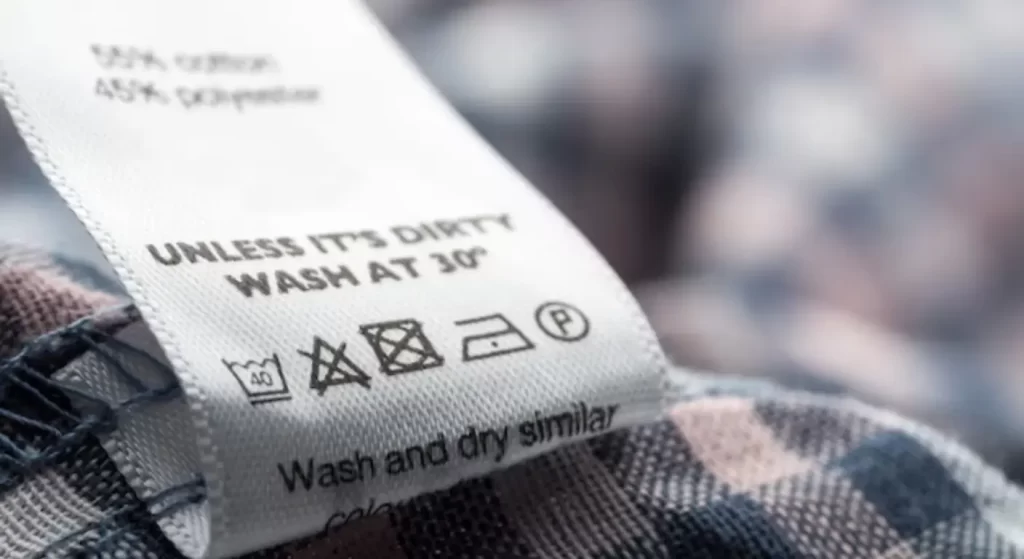
How To Read Clothing Labels For Cycle Guidance
Just like people check what the best wash cycle is, the details on laundry labels offer instruction manuals sewn onto your clothes. Your knowledge of reading them would prevent many common laundry mistakes.
Here are a few symbols you must make sure you know:
Wash Tub with Dots: Indicates water temperature (1 dot = cold, 2 = warm, 3 = hot)
Tub with a Curve: Permanent press cycle with a laundry sanitiser.
Hand Symbol: Hand wash only.
Tub with Cross: Do not wash.
In conclusion, recognising these symbols goes a long way in having the correct wash cycle, water temperature, and spin speed that the fabric requires.
Tips to Make Your Wash Cycle Work Better
There are multiple tips to enhance the performance of the washing cycle to remove stubborn stains from outfits. Just like the tips to understand what the best wash cycle is, these tips will guide you about the pre-washing instructions.
Sort by Fabric, Not Just Colour
While separating lights and darks is one key element, it is even more beneficial to sort by fabric weight and type. Washing delicate synthetics with heavy jeans, for instance, may damage the fabric.
Don’t Overload the Machine
Cramming your washer reduces water flow and detergent distribution, leaving clothes not washed properly, and items may still emerge dirty or overly wrinkled.
Use Mesh Bags for Delicates
Mesh bags protect undergarments, bras, or lace tops during standard or gentle cycles – no more snagging or losing the lovely shape of your pieces.
When to Choose Professional Laundry Services
Not every garment is meant to meet the mayhem of home laundering. From the cycle settings, you are unsure about stain treatment, and you are short on time, so it makes sense to save time for professionals, as they know what the best wash cycle is.
If your washing machine won’t spin, Love2Laundry provides a wide range of care solutions, including wash & fold and dry cleaning, which:
- Extend the life of your clothes.
- Handle speciality fabrics and stubborn stains;
- Provide the utmost convenience with door-to-door pickup and delivery.
Put your faith in a laundry service that guarantees proper cleaning every single time.

FAQs – What is the best wash cycle?
What is the best cycle on a washing machine?
The best washing cycle in a washing machine depends on factors like fabric type and the type of cleaning agent used. For instance, a clean cycle would be suitable for everyday outfits, while a rinsing cycle helps in removing the residues after the wash.
What’s the best cycle to wash your clothes?
Cold washing cycle is suitable for all fabric types, like delicates and coloured ones. Use warm water for heavily soiled and white outfits and hot water for undergarments.
Which mode is best for a washing machine?
The best mode for your washing machine is decided after assessing the requirements of your outfits. For example, choose hot water for white outfits, and if the fabric is coloured, cold or warm water would be best.
Wrap Up!
Now that you know what is the best wash cycle, there won’t be hurdles in your procedure. The best wash cycle for everyday clothing isn’t purely convenient; it helps protect and prolong the life of the fabric.
Moreover, if your washing machine won’t spin, let professionals wash your clothes. All Love2Laundry does is one click to find clean, fresh and well-cared garments, without the fuss.