Table Linen Care: Expert Tips to Extend Their Lifespan

Popular restaurants in the Netherlands offer quality meals and an outstanding ambience, with tables properly decorated. Linen fabrics are used in unique colours and soft textures to enhance the dining experience. However, table linen care is essential when it comes to maintaining it. The expert guidance is needed to increase their lifespan. So, you can contact an expert cleaner like Love2Laundry.
We use modern techniques and materials to clean table linens, and our team has years of experience maintaining them. So, outsourcing your restaurant linens to us would be a good idea for maintenance.
For more details, like using the best detergent for table linens, you can continue reading our blog.
Why Table Linen Care Matters for Longevity
Spills and repeated washing apply strains on the woven fibres of fabrics, making the texture dull. Acids in food, as well as oils and dyes, can weaken these threads over time, and friction during washing can cause fading, pilling, or thinning if linens are not cared for properly. Good linen care slows this natural wear, allowing fibres to remain strong and smooth.
Proper care keeps linens looking fresh and vibrant, improving hygiene by removing invisible residues and increasing durability, which means they last longer and feel less textured. Thus, money is saved since fewer frequent replacements are needed.
How Often To Clean Table Linens
The frequency of cleaning is determined by the usage of the linens and the environment in which they are used:
Daily household use: wash table cloths, placemats, and napkins every 1-3 uses, unless stained.
After a party or gathering: Immediately wash linens, even if they appear clean. Oil and spills can set quickly.
Restaurant or Catering Use: Linens must be washed after each use per hygiene standards.
In the case of spills: Immediately spot-treat the stain, and even if you don’t wash the entire piece right away, at least keep an active stain treatment in the meantime.
Also Read – Want to know the difference between air-drying vs. machine-drying? Our blog will provide you with the details.
Pre-Cleaning Checks: What to Do Before Washing
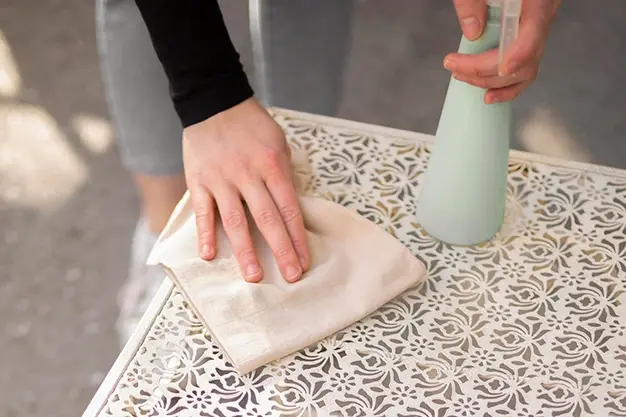
Before washing, thoroughly check the linens. Look for stains, residues, or pieces of candle wax stuck to them, and opt for an appropriate spot-cleaning treatment. Addressing these issues beforehand prevents stains from setting during the hot wash cycle and ensures they won’t be missed after washing.
Separate linens into different colours, darks, brights, and various types of fabrics like cotton, linen, and polyester. This prevents dye transfer and ensures each fabric is washed at the correct temperature and with the appropriate wash cycle strength.
Remove Stains Promptly
Treat stains as soon as they happen:
Wine: Blot gently, then pour salt or baking soda to soak up the liquid; rinse with cold water, and wash the fabric with the best detergent for table linens.
Sauce or tomato stain: Rinse under cold running water, apply mild dish soap, and gently massage.
Oil or grease: Sprinkle cornstarch or baking soda on the oil to absorb it, then rinse and pretreat with liquid detergent.
Candle Wax: Allow wax to harden, then scrape off carefully. Place paper towels above and below the stain, and press with a warm iron to lift remaining wax.
Shake, Dust, and Pre-Soak
Shake the linens outdoors or over a bin after every meal to remove crumbs, dust, and loose debris. Doing this prevents dirt particles from becoming embedded in the fabric during washing.
For heavily soiled linen, especially napkins or event tablecloths, pre-soak them in lukewarm water with a small amount of mild detergent. This loosens stains and cleans better in the washing machine.
Washing Table Linens the Right Way
Best washing method per type of fabric:
Linen fabric: wash in either cold or lukewarm water in a gentle cycle. Linen fibres can lose strength at high temperatures.
Cotton: warm water works very well except when colours are dark or bright; in that case, cold water will prevent fading.
Polyester or blends: cold water and gentle cycles do a great job of preventing pilling and keeping the texture.
Best Detergent for Table Linens
Enzyme detergents can be effective for heavy food stains, but for delicate or high-quality table linens, mild non-enzymatic detergents help preserve fabric strength and colour over time. To ensure safe table linen care, make sure to exclude the enzyme from the washing process.
Avoid using chlorine bleach, which can weaken fibres and cause yellowing in whites, and instead consider safer alternatives like baking soda, oxygen-based cleaners, or white vinegar (added during the rinse) to brighten and deodorise.
Prevent Colour Fading and Shrinking
The cold water wash is vital for the brilliance of colours, preventing shrinkage in natural fibres, and maintaining proper table linen care. It should always be dried on low heat or air-dried to avoid heat damage.
To maintain colour vibrancy:
- Always turn linens inside out before washing.
- Avoid drying colored fabrics in the sun for long.
- Use gentle detergents and avoid harsh whitening chemicals.
- These prevent yellowing, fibre stress and premature wear.
- Avoid overloading the washer.
Also Read – Confused between ironing or pressing linens? Check out our blog, and it’ll provide you with the details.
Drying Table Linens Without Damage
Air drying is the gentlest method and is hence best suited to linen and cotton. Lay items flat or hang them neatly to prevent stretching. You can even use the tumble-drying method to keep linens wrinkle-free.
Prevent deep creases and heat damage on linens by removing them from the dryer as soon as they are finished. While the linens are warm, smooth them with your hands to maintain their shape.
Ironing and Steaming for a Professional Finish
For best results, iron the linens while slightly damp. Use medium heat for cotton, low-medium for polyester, and medium-high for pure linen, modifying as needed to avoid scorching.
For those with delicate or embroidered pieces, place a thin cloth between the iron and the fabric. Steaming is a safe alternative that relaxes the wrinkles without pressing down on the fibres.
Proper Storage to Preserve Quality
Proper table linen care involves storing the fabric in a cool, dry, well-ventilated place; it should not develop mildew, odours, or discolouration. Plastic bags trap moisture; instead, use breathable cotton storage bags or fabric covers.
Make neat folds in the linens, but for the more delicate pieces, use acid-free tissue paper to separate layers so that those surfaces do not crease into each other. You will also rotate your sets so the same ones are not used repeatedly, ensuring even wear and keeping your collection looking new longer.
When to Choose Professional Laundry and Dry Cleaning Services
When you find out that the DIY technique for cleaning table linen isn’t working, contacting a professional laundry and dry cleaning service is essential for table linen care. Love2Laundry would be the best choice among the multiple service providers. We offer our customers a cost-effective pricing structure with multiple plans so they can choose a suitable one.
To prevent delays, we offer convenient pickup and delivery so restaurant owners can get table linens on time. You can contact us in case you want more details. Once you’ve checked everything, book our service and get the professional treatment for linens.
FAQs – Table Linen Care
What are the most common stains found on table linen?
The most common stains on table linen are food stains, such as oil, tomato sauce, and curry. Besides that, wine and water stains can also appear on the table linens after a sudden spill during a meal.
What is the best way to wash 100% linen?
The best way to wash 100% linen fabric is to opt for lukewarm water, a gentle washing cycle, and a mild laundry detergent. Avoid using hot water as it can shrink the size of linen and might even fade the colour.
Can I use vinegar on linen?
Yes, you can use vinegar for cleaning linens, as it can act as a natural fabric softener and even help remove odours and mineral buildup. Add half a cup of vinegar during the washing cycle and make your linens spotless, fresh, and soft.
Final Tips for Long-Lasting Table Linens
There you have it! A proper guide for table linen care and how you can avoid the risk of damage during the washing procedure. Preparations for washing table linens, such as dusting the fabric and pre-soaking, would enhance the performance of the washing procedure.
Furthermore, drying linens naturally would be more effective because using a dryer would shrink the fabric and fade the colour. So make sure when you clean table linens, follow the guide provided by the professionals.