Whiten Clothes Without Bleach Using Simple, Safe, and Effective Methods

Keeping your white garments crisp and bright often feels like a losing battle. Over time, favorite t-shirts and bed linens can succumb to a dingy, yellowish hue, making them look worn. Many people immediately reach for harsh chemicals, but learning how to whiten clothes without bleach is a much safer and eco-friendly strategy for both your wardrobe and the environment.
Chlorine bleach is harsh and can weaken fibers, causing permanent damage to delicate fabrics like silk and wool. This guide explores safer, natural alternatives that deliver professional-grade results at home. While DIY methods work wonders for everyday maintenance, some stains require a more sophisticated touch.
Professional laundry and dry cleaning services offer specialized treatments that restore brightness without risking fabric degradation. By choosing these expert services, you ensure your high-value items stay luminous for years. Whether you are dealing with sweat stains or mineral buildup, you can achieve a brilliant finish using gentle techniques.
Let’s dive into the most effective ways to whiten whites without bleach, keeping your laundry room safe and your clothes looking brand new.
Why Whitening Clothes Without Bleach Is a Smarter Choice
Choosing to whiten clothes without bleach protects the structural integrity of your favourite outfits. Chlorine bleach is a powerful oxidiser that can “burn protein fibres like silk or wool. It often leaves a yellow tint on synthetic blends, defeating the purpose of the wash.
Bleach-free methods are also gentler on your skin. Many people experience respiratory irritation or skin rashes from chemical residues left on their clothes. Switching to natural brighteners not only extends the life of your garments but also reduces the chemical load in your home. It is a win for both your health and your wallet.
Common Reasons White Clothes Lose Their Brightness
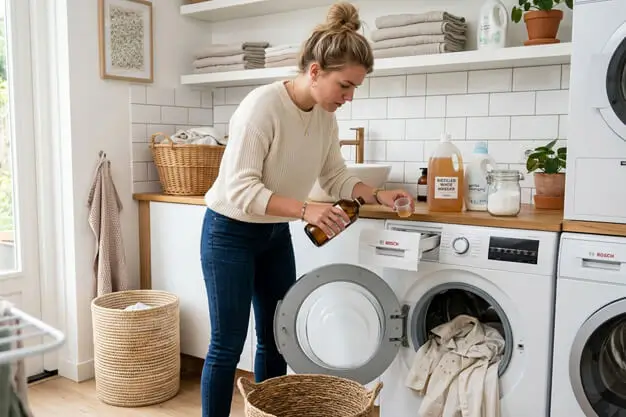
White fabrics tend to absorb environmental pollutants like a sponge. Even if you are careful, your whites will eventually lose their lustre due to microscopic particles. Body oils, sweat, and dead skin cells are the primary culprits. They seep into the fabric’s weave and turn yellow as they oxidise.
Understanding these causes is the first step toward prevention:
Detergent and Fabric Softener Build-Up
It is a common myth that more soap equals cleaner clothes. In reality, excess detergent creates a sticky film on the fabric. This residue acts as a magnet for dirt and dust. Over several wash cycles, this film builds up, creating a greyish cast.
Fabric softeners may be more damaging to whites. They coat the fibres in a layer of wax to make them feel soft. This layer traps oils and bacteria inside the cloth. To fix this, use the recommended soap dosage and run a ‘strip wash’ once a month, without detergent, to clear the buildup.
Hard Water and Mineral Deposits
If your home has hard water, your laundry may struggle to stay bright. Minerals like calcium and magnesium react with detergents to form a residue. These minerals attach themselves to the fabric, making white shirts feel stiff and look dull.
You might notice orange or brown tints if your water has high iron content. To combat this, you need additives that neutralise minerals. Simple household pantry items can break these bonds, allowing the minerals to wash away rather than settle into your clothes. You can easily achieve a crisp, snowy finish on your laundry by learning to whiten clothes without bleach using pantry staples.
Natural and Safe Methods to Whiten Clothes Without Bleach
You do not need a laboratory to get sparkling laundry. Many of the most effective ways to whiten whites without bleach are already in your kitchen. These methods are gentle enough for regular use and highly effective at breaking down organic stains.
Always check the care label on your clothing before trying any new method. While these ingredients are natural, some fabrics may be more sensitive than others. Start with a small soak to see how the material reacts.
Lemon Juice for Natural Brightening
Lemon juice is a natural acid that works as a mild bleaching agent. It is particularly effective on cotton-polyester blends, making it a great choice for everyday garments. Citric acid breaks down alkaline bonds in stains such as grass and armpit yellowing.
To use this method, add half a cup of strained lemon juice to your wash cycle. For heavily soiled items, boil a pot of water with lemon slices and soak the clothes for an hour before washing. This citrus boost leaves clothes smelling fresh and looking bright.
Baking Soda for Deep Cleaning and Freshness
Baking soda is a laundry powerhouse. It regulates the pH of your wash water, helping the detergent work more efficiently. It is excellent for lifting stubborn odours and softening the water at the same time.
How to use bleach or baking soda for whiter clothes is a common debate, but baking soda is the safer choice for fabric longevity. Simply add half a cup to your regular laundry load. It works deeply into the fibres to pull out trapped oils that cause yellowing.
White Vinegar to Remove Yellowing and Residue
Distilled white vinegar is a powerful secret weapon for laundry. Mild acetic acid is strong enough to dissolve soap residue but gentle enough not to damage your clothes. It acts as a natural fabric softener without the waxy buildup.
Add half a cup of vinegar to the fabric softener compartment. This ensures it is released during the final rinse. It will strip away any remaining detergent, leaving your whites crisp and soft. Do not worry about the smell; the scent disappears completely once the clothes are dry.
Oxygen-Based Whiteners as a Gentle Alternative
An oxygen-based whitener is a fantastic commercial middle ground. Unlike chlorine bleach, these products use sodium percarbonate, which releases oxygen when dissolved in water. This process lifts stains and brightens fabric without the toxic fumes.
They are safe for almost all washable fabrics, including coloured items. They are most effective when used with warm water and a long soak. They are the best option for brightening whites without bleach, especially for heavy stains like juice or blood.
Sunlight Drying for a Natural Whitening Boost
Drying clothes in natural sunlight is one of the oldest laundry tricks in the book. The sun emits ultraviolet rays that naturally bleach damp cloth. It’s a chemical-free way to eliminate the last traces of yellowing.
Lay your whites flat on a clean surface or hang them on a line in direct sunlight. The UV rays also act as a disinfectant, killing bacteria that might survive the wash. Be cautious with delicate silks, as excessive sun exposure can weaken them.
How to Whiten Yellowed White Clothes Without Bleach
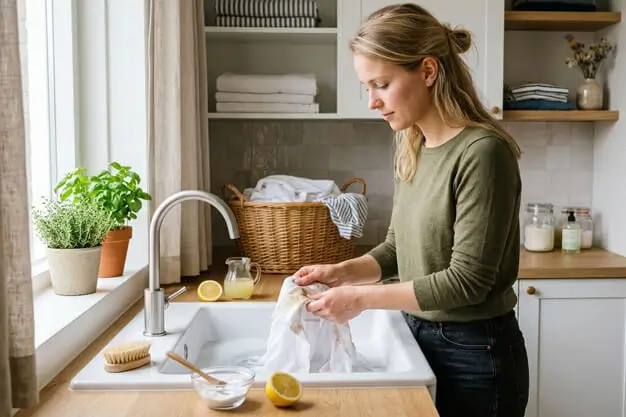
To get clothes white without bleach when they have already turned yellow, you need a pre-treatment strategy. A concentrated soak is often necessary for restoring whiteness. Mix warm water with baking soda and lemon juice to create a soak solution. Submerge the garment for at least six hours.
After the soak, wash the item as usual in warm water. The acidity and agitation help break down the oxidised oils. If the yellowing persists, repeat the process before the garment dries. High heat from a dryer can “set” the yellow stain, so air drying is best during this restoration phase.
How to Wash Whites Without Bleach – A Step-by-Step Routine
Establishing a solid routine is the best way to whiten clothes without bleach over the long term. Follow these steps for every white load:
- Sort Thoroughly: Never mix whites with colours, including light greys or pastels.
- Pre-Treat: Use a baking soda paste on collars and underarms to clean yellow collar stains on dress shirts.
- Water Temperature: Use the warmest water safe for the fabric to help dissolve oils.
- Additives: Put half a cup of vinegar in the rinse cycle.
- Dry: Use the sun whenever possible to brighten whites without bleach.
Long-Term Habits to Keep Clothes White Without Bleach
Prevention is easier than a cure. To keep your clothes glowing, you must maintain your washing machine. Run a cleaning cycle with vinegar once a month to remove internal mould and mineral scale.
This prevents the machine from redepositing dirt onto your clean clothes. Many households are now looking for sustainable ways to whiten clothes without bleach to protect their family from harsh chemical fumes.
Always wash your whites after each wear or after two wears. Even if they appear clean, body oils are invisible initially. If these oils sit in the fabric for weeks, they become much harder to remove. Proper storage in a cool, dry place also prevents “storage yellowing” caused by moisture.
Common Mistakes That Make Whites Look Dull
- Overloading the Machine: Clothes need room to move so dirt can be washed away.
- Too Much Detergent: This creates a film that traps grime and causes greying.
- Mixing Fabrics: Washing lint-producing items like towels with corduroy or synthetics.
- Using Only Cold Water: Cold water often doesn’t dissolve body oils effectively.
- Ignoring the Filter: A clogged lint filter can allow dirty water to recirculate into the drum.
When Professional Laundry and Dry Cleaning Is the Better Choice
Sometimes, home remedies are not enough to whiten clothes without bleach. For luxury items or antique linens, DIY scrubbing can do more harm than good. If you have a suit or dress with complex construction, use a delicate wash cycle managed by experts.
Professional cleaners have access to industrial-grade, eco-friendly brighteners that are not available in stores. If you are struggling with deep-set stains, checking the pricing for a professional refresh is a smart investment. It saves you the time and the risk of ruining an expensive garment. If you need help with a difficult item, you can always contact us for a consultation.
Why Love2Laundry Is Trusted for Safe and Effective Whitening
Love2Laundry understands that your clothes are an investment. We specialise in effective ways to whiten whites without bleach, using advanced technology that respects fabric fibres. Our team evaluates every garment to determine the safest cleaning approach.
We avoid harsh chemicals that can irritate the skin or harm the environment. Our process focuses on deep cleaning and residue removal to get clothes white without bleach. With our convenient pickup and delivery service, you’ll receive professional results without the hassle of soaking and scrubbing at home.
FAQs – Whiten Clothes Without Bleach
Is there a way to lighten fabric without bleach?
Yes, you can use natural acids, such as lemon juice or distilled vinegar, to remove stains. These ingredients safely break down residues and brighten the cloth’s appearance.
Is 3% hydrogen peroxide the same as bleach?
No, hydrogen peroxide is an oxygen-based lightener that is much milder than chlorine bleach. It breaks down into water and oxygen, making it safer for fabrics and the environment.
Is vinegar or baking soda better for whitening clothes?
Both serve different purposes; baking soda is best for removing odours and lifting physical stains. Vinegar is superior for dissolving mineral deposits and removing the soapy film that causes dullness.
Conclusion – Bright Whites Without the Risk
To wrap up, learning how to whiten clothes without bleach is one of the best ways to maintain a fresh wardrobe while protecting your skin and the environment. By using natural pantry staples like vinegar and lemon juice, you can easily brighten whites without bleach and prevent structural damage from harsh chemicals.
These gentle techniques effectively strip away mineral buildup and stubborn residues that dull your fabrics over time. While home remedies are powerful, consistent care is the best long-term strategy for keeping clothes white without bleach. Embracing these sustainable habits ensures your favourite garments stay luminous and last for many years to come.