Do You Really Need to Separate Your Laundry? The Ultimate Guide

Do you really need to separate your laundry? This is a question many of us have wondered if it’s necessary to do so when you can just toss them in the wash. Separating laundry seems challenging, but it can make a difference in maintaining the quality and colour of clothes.
Now, you can learn how to separate your laundry and why it’s necessary. This will save you time, prevent confusion when washing mixed clothes, and ensure everything is cleaned correctly.
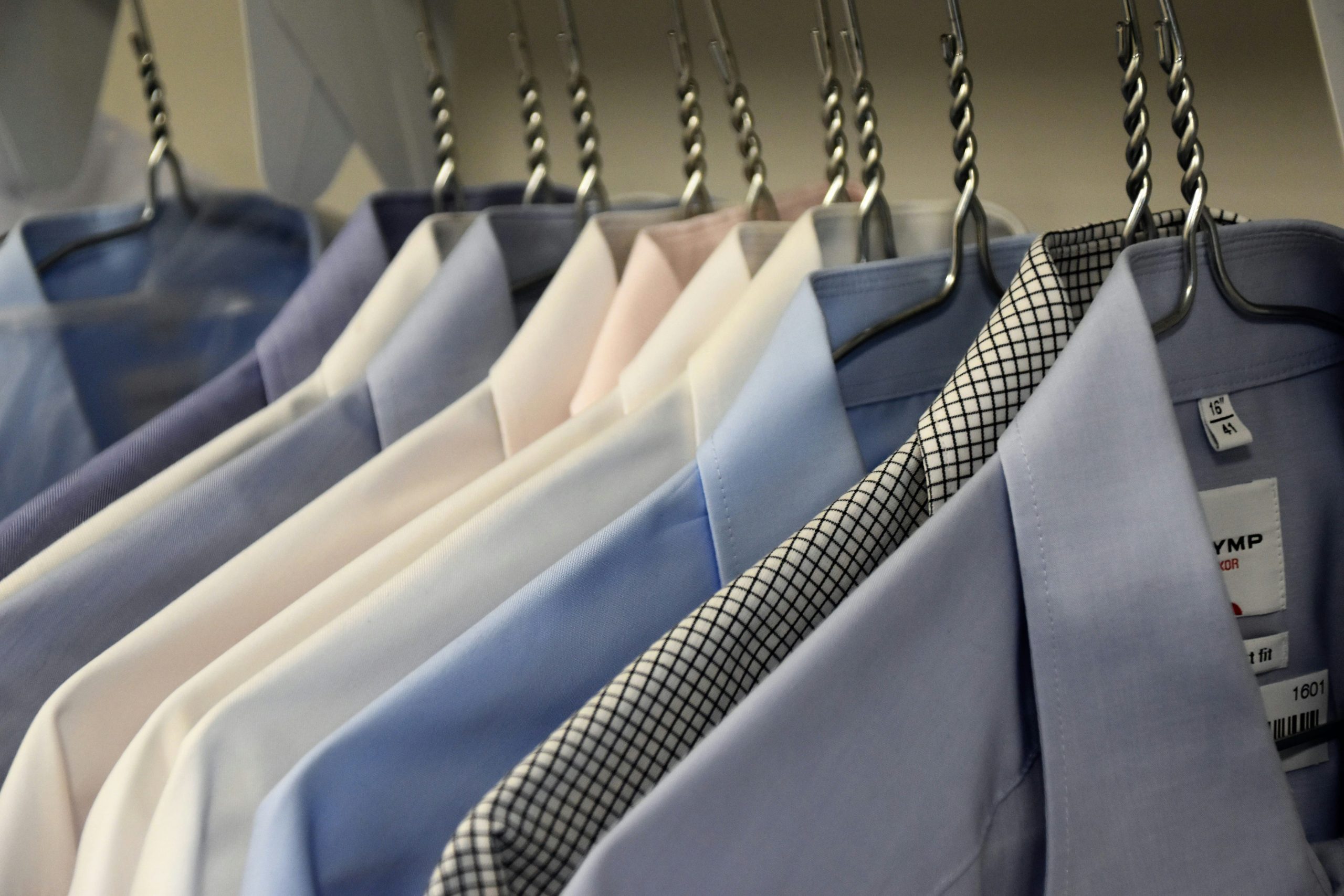
Why Do People Separate Laundry?
Sorting laundry dates back to when clothes and dyes were unstable and washing machines were even less sophisticated. Combining colours was often a disaster, whites turned pink, and delicate fabrics became shredded.
However, technology has changed, and the question is, do people still separate laundry? The answer is absolutely! People continue to wash clothes to maintain their appearance and prolong their lifespan.
- Benefits of Laundry Sorting
1. Prevention of Color Bleeding:
Even with modern colour-safe detergents, some dark or brightly coloured clothes can bleed dye during the wash. Separating laundry colours ensures they remain bright and unstained.
2. Maintenance of Fabric Quality:
Gentle fabrics like silk and lace should be treated more delicately, while heavier clothes like jeans require stronger washing cycles. Sorting also prevents damage and wear because of mismatched clothes.
3. Washing Efficiency:
Separating laundry allows the right detergent, water temperature, and the best wash cycle for each load. This allows for effective cleaning and saves energy.
These benefits show why do you really need to separate your laundry.
Do You Really Need to Separate Your Laundry?
People ask if you need to separate laundry by colour. The short answer is yes, but it depends on the situation. Experts generally say that you must separate your clothes by colour, especially when dealing with new clothes or those with strong dyes.
The risk of colour bleeding is higher for lighter garments. However, at times, it is not crucial, mainly when it’s sorted by the type of fabric, water temperature, and detergent used.
- When Do You Need to Separate Laundry by Colour
- Whites are too sensitive to colour transfer. They must be washed separately to remain white.
- Dark or highly coloured clothing tends to bleed more, especially when new. They’ll bleed the most during the first few washes.
- When You Can Skip It
- Cold water reduces the chance of dye bleeding, and it is safer to wash with mixed colours if you are in a hurry.
- Colour catcher sheets capture loose dye from the wash to provide additional safety.
What Happens If You Don’t Separate Laundry?
Not separating laundry may initially seem like a time-saver, but it could be costly and frustrating in the long run. Here’s what happens when you don’t know how to separate clothes by colour for washing:
1. Color Transfer:
Dark and heavily coloured materials are likely to bleed dye onto other lighter-coloured items, and these stains are difficult or even impossible to remove.
2. Fabric Damage:
A heavy material, such as a towel or jeans, can cause friction against delicate fabrics. Pilling, rips, and stretched-out fits generally result in lower-quality fabric.
3. Reduced Clothing Lifespan:
Improper washing cycles and colour bleeding make clothes degrade faster. Fabrics fade, lose their softness, and show signs of damage sooner when not properly sorted.
If you’re short on time, you might think, “Do I really need to separate your laundry?” Here’s when it’s worth the effort.
How to Separate Laundry Like a Pro
The quick laundry tips to protect and wash your clothes efficiently for lasting results.
- Sort by Color: Begin by categorising your clothes into three groups: whites, light colours (such as pastels), and dark colours (such as black, navy, or red). Separating laundry colours ensures dyes do not bleed onto lighter garments, keeping them vibrant and stain-free.
- Sort by Fabric Type: Silks and laces should be separated from jeans and towels. It is advisable not to wash similar fabrics together because friction can cause wear and tear.
- Sort by Soil Level: Heavily soiled clothing, like gym clothes or uniforms, should be washed separately to prevent soil from transferring to the cleaner ones.
- Look for Care Labels: Always read care labels to identify specific washing instructions. Some fabrics may require cold water, handwashing, or air drying, so sort accordingly. This step is crucial for avoiding shrinkage, fading, or damage.
- Use Laundry Sorting Tools: Invest in tools like mesh laundry bags for delicates and colour catcher sheets for loads.
Common Laundry Separation Myths Debunked
Before tossing your laundry, ask yourself, do you really need to separate your laundry? Here are some common laundry separation myths, let’s debunk them:
Myth 1: Cold Water Washes Don’t Need Separation
While cold water may reduce the chance of colour bleeding, it doesn’t eliminate it completely. New, dark, or bright clothing items can bleed colours even in cold water. So, to be safe, separate whites and light colours from darks, especially for the first few washes.
Myth 2: All Fabrics Can Be Washed Together
Delicate fabrics such as silk or lace are ruined when washed with jeans and towels. Heavy garments create friction, which can cause pilling, tears, and loss of shape in delicate materials. Be sure to sort your clothes by fabric type to prevent damage.
Myth 3: Do People Still Separate Laundry
Heavy soil loads may spread dirt and grime into clean garments when washing. Separating clothing according to soil level allows specific stain treatment and reduces re-washing.
Considering these myths, do you really need to separate your laundry? It’s essential to take alternative steps for effective results.
Tips for Efficient Laundry Sorting
Do you really need to separate your laundry? Here are a few tips for efficient laundry sorting:
1. Using Multiple Laundry Baskets
Place multiple baskets in your laundry area, one for white clothes, another for darks, and one for delicates. This will save you much time sorting when it’s laundry day.
2. Washing Similar Items Together
Sort the items by type of fabric and colour. For instance, towels and bedding can be washed together, but delicates should be in a different load. This ensures no friction damage and effective cleaning.
3. Plan for Organized Laundry Days
Plan specific days for the different types of loads. For example, you could do all the whites on one day, the darks on another, and delicate items on a separate day. This will prevent piles and keep your laundry routine manageable.
Bonus Tip: An online laundry service in Amsterdam is here to simplify the process for you!
Why Choose Love2Laundry for Ironing Services?
Are you tired of spending hours sorting, washing, and folding? Let Love2Laundry handle it all! Our premium dry cleaning and laundry services are designed for busy individuals who want garments treated with the utmost care and expert handling.
We’ll ensure delicate fabrics, daily wear, and everything else are cleaned perfectly, pressed, and returned to you looking as new as ever!
Spend more time on the essential things, and we will remove the stress of doing the laundry. Check our laundry prices and order your service today!
FAQs – Do You Really Need to Separate Your Laundry?
What are the rules for separating laundry?
The rules for separating laundry are simple, separate heavy items like towels from lighter-weight clothes. Similarly, separate clothes with zippers or buttons from knits and lingerie.
What are the four ways to separate laundry?
It involves checking care labels, sorting blended fabrics, creating piles, and colour code.
Why sort laundry by color?
If you need to separate laundry by colour, the answer is yes! It makes a big difference, helping avoid dye transfer and keeping the colour vibrant.
Wrap Up!
Do you really need to separate your laundry? We’d love to hear from you! Drop your favourite laundry sorting tips in the comments, or learn how Love2Laundry works to make laundry day easier and more efficient.