Is Fabric Softener Bad for Your Laundry? Benefits, Drawbacks, and Better Options

When you pull a warm load of laundry from the machine, that familiar floral scent and silky texture often come from a single product: fabric softener. However, many homeowners are now asking, “Is fabric softener bad for your laundry?” What seems like a helpful addition to your wash cycle is actually more complicated. This question is important not only for your everyday laundry but also for high-end garments that require professional care.
Using the wrong fabric softener additives can have negative effects on your favourite outfits. Professional laundry and dry cleaning services often encounter clothes that have lost their vitality due to chemical buildup. In this guide, we’ll reveal the truth about these products.
You will gain insights into how they interact with different materials. We will cover why it is sometimes better to skip the softener to keep your wardrobe fresh. By the end, you will know exactly how to achieve softness without risking the integrity of your fabrics.
What Is Fabric Softener and How Does It Work?
If you are wondering is fabric softener is bad for your laundry, you must first understand its chemistry. Fabric softener is a liquid conditioner that coats the surface of your clothing. It usually contains surfactants, which are fatty substances that carry a positive electrical charge. During the final rinse cycle, these molecules bind to the negatively charged fibres of your clothes. This process creates a thin, lubricating layer over the material.
People use these products because they want their laundry to feel plush. The chemical layer causes the fibres to stand up, giving them a soft texture. Understanding this coating is the first step in seeing the effects and consequences of fabric softeners on long-term garment health.
What Happens to Fabrics When You Use Fabric Softener?
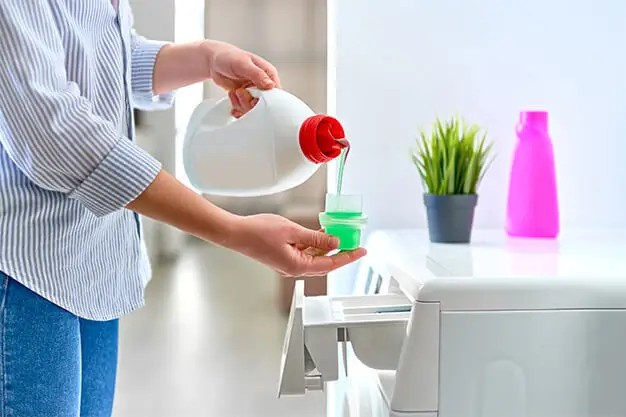
When you use fabric softener, the product coats the fibres, much like a hair conditioner. It reduces friction between threads, making the garment feel smoother against your skin. This lubrication also helps to release wrinkles more easily. Many brands also add strong fragrances and dyes to fabric softeners to give that “freshly cleaned” scent people love.
However, this coating has a hidden cost. Because it creates a waterproof barrier, it significantly reduces fabric breathability. Your clothes might feel soft, but they lose their ability to manage moisture. Over time, this waxy layer builds up. It can trap dirt and odours inside the fibres. This prevents water and detergent from reaching deep into the fabric during the next wash. This performance drop is why many experts suggest caution when applying it.
Benefits of Using Fabric Softener in Everyday Laundry
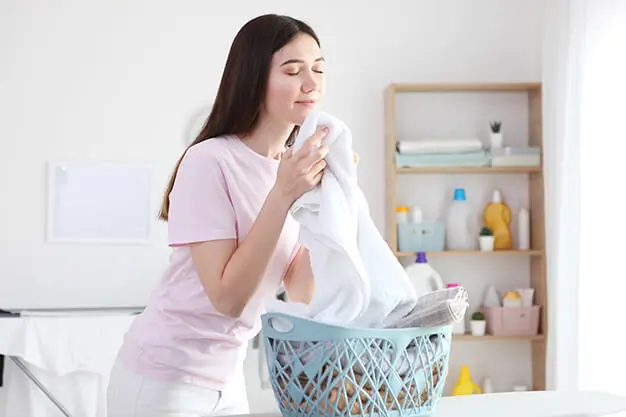
There are many genuine benefits to using fabric softener in your everyday laundry. The most obvious one is the immediate tactile softness, making stiff cotton shirts feel cosy. Fabric softeners also serve as a powerful anti-static agent, neutralising the electrical charges in the fabric and preventing clothes from sticking together in the dryer. This makes folding easier and prevents the annoying “cling” when you wear them.
When Fabric Softener Can Be Helpful
Fabric softener can be helpful in certain circumstances. For example, 100% cotton sheets and basic pillowcases often benefit from it. These items don’t require high-tech breathability, so the coating is less harmful. Additionally, if you live in an area with hard water, the minerals can make clothes feel scratchy. In such cases, fabric softener can help soften the fabric.
Practical guidance suggests using it only on items that do not serve a functional purpose, like moisture-wicking. Use it on older, stiff items to give them a second life. However, keep the dosage small. Excessive use leads to the negative effects and consequences of fabric softeners even on hardy cotton. Limited use on non-essential household linens is generally considered the least harmful way to enjoy the benefits.
Drawbacks of Fabric Softener on Clothes Over Time
The long-term impact of these products is where the real trouble starts. You might ask, “Is fabric softener bad for clothes?” The answer is often yes when used repeatedly. The waxy residue doesn’t just sit there; it accumulates. Over time, this buildup makes the fabric feel greasy and heavy. As the layers thicken, the fabric becomes less absorbent.
How Fabric Softener Affects Fabric Durability
Repeated use of these chemicals can lead to a visible decline in fabric quality. The buildup of residue acts like a magnet for dust and grime. This often causes colours to look dull or dingy. A white shirt might start to look yellow or grey because the softener has trapped microscopic particles against the thread.
Professional laundry services rarely use standard grocery-store softeners for this very reason. They know that a clean fibre is a durable fibre. When you avoid the waxy coating, the fabric stays “open” and clean. If you want to keep your wardrobe in top shape, you must consider the damage these additives cause. If you notice your clothes look old even though they’re new, the softener is likely the culprit.
Fabrics and Items That Should Never Be Washed with Fabric Softener
Certain materials are highly sensitive to chemical coatings. Using a softener on these items can permanently ruin their functionality. Maintaining hygiene and comfort requires knowing which fabrics should stay away from the softener dispenser. If you ignore these rules, “Is fabric softener bad for your laundry?” will become a hard reality when your expensive gear starts to fail.
Towels, Sportswear, and Delicates
Towels are the most common victims of fabric softener. While it makes them feel fluffy, it coats the cotton’s loops with wax, making the towel water-resistant. Instead of drying your skin, a softened towel simply pushes the water around. The damage is even worse for sportswear. High-performance activewear is designed to wick sweat away from your body, but fabric softener clogs these high-tech pores. This traps sweat and bacteria inside, resulting in that permanent “gym smell.”
Delicates like silk, wool, and lace should never come into contact with fabric softener. The heavy oils can stain silk and weigh down the natural loft of wool. For these items, use a specialised, delicate wash instead. For towels, a cup of white vinegar in the rinse cycle is a better alternative. It removes soap residue without leaving a greasy layer.
Is Fabric Softener Bad for Washing Machines and Dry Cleaning Results?
Many people forget that what goes into the clothes also goes into the machine. If you’re asking, “Is fabric softener bad for clothes?” you should also consider the appliance itself. Liquid softeners are notorious for leaving “scum” or “sludge” inside the drum and pipes. This residue can lead to mould and mildew growth, which eventually makes your “clean” laundry smell like damp earth.
Build-Up Issues in Home and Commercial Machines
In home machines, the softener dispenser is often the filthiest part of the unit. The thick liquid sticks to the plastic and attracts blackmould. Over time, this gunk can clog the hoses, leading to expensive repairs. Overloading washing machine units makes this even worse, as the chemical cannot be properly rinsed away.
Commercial laundries manage their chemicals with extreme precision. They use automated systems to ensure no excess residue stays in the machines. They know that build-up leads to poor performance and higher maintenance costs. By avoiding the thick, waxy liquids found in supermarkets, keeping their equipment running at peak efficiency for years.
Skin Sensitivity, Allergies, and Fabric Softener Use
Safety is a major concern when discussing laundry additives. Fabric softeners are packed with artificial fragrances and chemicals designed to remain in the fabric. This means those chemicals are in constant contact with your skin throughout the day. For many people, this leads to contact dermatitis, rashes, or respiratory issues. So, you might ask, “Is fabric softener bad for your laundry and skin?” If you have unexplained skin irritation, your laundry routine might be the cause.
The tone here is not meant to scare you but to inform you. If you have unexplained skin irritation, your laundry routine might be the cause. The skin is the body’s largest organ, and it absorbs what it touches. Constant exposure to the chemicals in fabric softeners can trigger sensitivities that weren’t there before.
Why Fabric Softener May Not Be Ideal for Sensitive Skin
The same residue that makes clothes soft also irritates the skin. For babies, whose skin is thinner and more porous, this is a significant risk. People with eczema or psoriasis often find their symptoms flare up when they use scented softeners. Since the product is designed to remain in the fibres, it doesn’t just wash away. So, is fabric softener bad for your laundry and your skin? For sensitive skin, the answer is likely yes.
If you have a family member with sensitive skin, skipping the softener is the safest choice. You can still get soft clothes using mechanical methods rather than chemical ones. This reduces the toxic load on your body and keeps everyone more comfortable.
Eco-Friendly and Fabric-Safe Alternatives to Fabric Softener
You do not have to settle for stiff clothes just because you want to be safe. There are many sustainable options that align with high-quality care standards. These alternatives help you avoid the environmental impact of fabric softeners, which, as many traditional brands contain petroleum-based ingredients, harm aquatic life when they go down the drain. If you’re concerned about whether fabric softener is bad for your laundry and the planet, switching to eco-friendly alternatives is a great first step.
By switching to natural methods, you protect the planet and your wardrobe. These options are often cheaper and more effective in the long run. They don’t leave a film on your clothes, which means your towels stay absorbent and your gym clothes stay fresh.
Natural and Professional Laundry Alternatives
One of the best tools is a wool dryer ball. These balls bounce around in the dryer, naturally separating clothes and softening them through mechanical action. They also reduce drying time, saving energy. Another great trick is adding half a cup of white vinegar to the rinse compartment. Vinegar breaks down detergent buildup, leaving clothes soft and scent-free. If you’re looking for ways to keep your laundry soft without risking the negative effects and consequences of fabric softeners, these natural alternatives are a perfect solution.
Proper detergent dosing is also key. Often, clothes feel stiff because too much soap is left in them. If you want the best results, professional laundry care is the way to go. Experts use specialised techniques to ensure fabrics are soft without using harsh, waxy chemicals. This preserves the material’s quality for much longer.
Common Fabric Softener Mistakes People Make
Most people use far too much product. They think a full capful is necessary for every load, but this is a mistake. Overuse is the fastest way to ruin your clothes and your machine. Another common error is using fabric softener on every load without checking care labels. This leads to fabric softeners leaving lasting effects and consequences on items that should remain chemical-free.
Mixing softener with the wrong detergents or adding it at the wrong time also causes issues. If it mixes with the detergent too early, it can create a curd-like substance that stains your clothes. Being mindful of these small details can save your wardrobe from unnecessary damage.
How to Avoid Overuse and Fabric Damage
Always read the care label on your clothes first. If it says “no fabric softener,” follow that rule strictly. For items where you do use it, try cutting the recommended dose in half. You will likely find that the clothes are just as soft, but without the greasy feel. This simple step helps you avoid the negative effects and consequences of overusing fabric softener and ensures your clothes last longer.
Focus on fabric-specific washing. Group your towels and wash them without any additives. Keep your synthetics separate and avoid softeners to maintain their stretch. These simple habits make a massive difference in how your clothes look and feel over time.
When Professional Laundry and Dry Cleaning Is the Better Choice
Sometimes, home washing isn’t enough to protect your investment. This is where the question “Is fabric softener bad for your laundry?” becomes irrelevant, as the experts take care of everything for you. Choosing a professional service like Love2Laundry ensures your clothes receive the precise treatment they require. We understand the science of fabrics and the environmental impact of fabric softeners, opting for better solutions.
Professional cleaning removes the guesswork. You don’t have to worry about buildup or ruined gym gear. If you’re still asking, “Is fabric softener bad for your laundry?”, professional services ensure that your clothes get the treatment they need, leaving them soft, fresh, and free of harmful residues. For more information about our high standards, check our pricing or contact us directly to see how we can help.
How Love2Laundry Cares for Your Clothes Without Fabric Damage
Love2Laundry uses professional-grade processes designed to prioritise garment longevity. We don’t rely on thick, waxy coatings like fabric softeners to make clothes feel good. Instead, we use balanced cleaning agents and proper temperature controls, ensuring your clothes are fresh, clean, and soft to the touch with no harmful residue.
If you’re searching for the Best Fabric Softener for Clothes, it’s worth knowing that proper washing methods and quality cleaning agents deliver better long-term results than heavy additives. We also favour Eco-Friendly Laundry Detergents that clean effectively while being gentler on fabrics and the environment.
Whether you need help caring for delicate fabrics or maintaining everyday garments, we have the expertise to handle them properly. By trusting the pros, you avoid the common pitfalls of home laundry and keep your clothes looking new for years to come.
FAQs – Is Fabric Softener Bad for Your Laundry
Is it better to use dryer sheets or softener?
Both dryer sheets and fabric softeners have drawbacks. A dryer sheet is essentially a piece of polyester coated in wax and scent, and it coats your clothes just like a liquid softener does. If you want a safer option, wool dryer balls are the superior choice for both your clothes and the environment. If you’re questioning whether fabric softener is bad for your laundry, this alternative might be the answer.
Why is fabric softener bad for your washer?
Fabric softener creates a “biofilm” or sludge inside the washing machine. This gunk traps bacteria and mould, which can clog sensors and pipes, leading to poor drainage and foul smells. This is one of the main reasons washing machines require deep cleaning. If you’ve ever wondered whether fabric softener is bad for your laundry and washing machine, the answer lies in this residue buildup.
What are the long term effects of softeners?
The long-term effects and consequences of fabric softeners include reduced towel absorbency, loss of elasticity in sportswear, and duller colours. Fabric softeners also weaken fabric fibres, making them more prone to tearing and losing their shape over time. If you’ve been asking yourself, “Is fabric softener bad for your laundry?”, these long-term effects may provide the answer.
Wrapping It Up: Cleaner Clothes Without the Compromise
Is fabric softener harmful to your laundry? While it offers temporary softness and a pleasant scent, the long-term damage to your clothes and washing machine is hard to ignore. From the environmental impact of fabric softeners to the loss of fabric performance, the risks often outweigh the benefits. If you’re looking for longer-lasting care for your clothes, it may be time to rethink your laundry routine.
If you want your clothes to last, it is time to rethink your routine. You might notice and ask questions like why clothes develop burn marks while ironing? It happens when chemical buildup reacts with heat. By switching to natural alternatives or using professional services, you ensure your wardrobe stays in peak condition. Focus on quality care, and your clothes will reward you with years of comfort and style.